

Bengaluru, Karnataka, India | October 2025
In a candid conversation with Karishma Mehta of Humans of Bombay, Rishi Das, Co-founder of IndiQube, shared deeply personal reflections on his life, leadership journey, and the values that shaped his entrepreneurial path. Going beyond business milestones, the interview offers a human-first perspective on resilience, risk-taking, and the mindset required to build sustainable, employee-centric organizations in India’s evolving work ecosystem.
From a middle-class upbringing in Uttar Pradesh to becoming a transformative figure in India’s commercial real estate and co-working sector, Rishi’s journey reflects perseverance, innovation, and an unwavering belief in entrepreneurship that has helped shape IndiQube into one of the country’s most respected managed office space providers.
Born into a family where discipline, education, and holistic development were paramount, Rishi’s childhood in Gorakhpur shaped his resilience and problem-solving abilities. Living in a high-risk environment with daily exposure to societal unrest, he developed fearlessness and adaptability early on. His father, an IIT BHU alumnus and honest government officer, instilled in him the values of integrity, hard work, and academic excellence. Despite societal pressures to pursue a stable government career, Rishi nurtured ambitions in business and entrepreneurship from a young age, driven by curiosity and a desire to make a meaningful impact.
Rishi attended the University of Roorkee, now IIT Roorkee, an experience he describes as humbling due to the intense competition. It was during these formative years that he first ventured into business, assisting his uncle in establishing a floriculture enterprise. He also pioneered the Science Technology Entrepreneurship Park’s student chapter and led a nonprofit initiative to bridge the gap between outdated academic curricula and industry-relevant programming skills, offering certification courses in C and C++.
Even as an engineering graduate, Rishi’s passion for business was evident. Subscribing to business publications since 1991 and exploring entrepreneurial ideas during college, he laid the foundation for a career that would eventually redefine India’s office culture.
After graduation, Rishi briefly joined the corporate sector but quickly realized his calling lay in entrepreneurship. Supported by his family through provident fund savings, he explored multiple business avenues, from construction to IT retail. These early years were marked by turbulence, including societal pressures, failed ventures, and even violent disputes in a business partnership. With his father’s guidance in managing risk and conflicts, Rishi learned the importance of self-confidence, perseverance, and relying on family and close friends for support. These “resets” in his career became critical lessons in resilience, adaptability, and long-term strategic thinking.
In 1999, Rishi co-founded CareerNet with his brother, growing it into one of India’s largest recruitment firms, placing over 100,000 IT professionals annually. By 2011, the company faced logistical challenges due to rapid expansion and frequent office relocations. Leasing a 100,000 sq ft office in Bangalore and subleasing the surplus space became a game-changing insight. Rishi recognized a market gap for affordable, professionally managed office spaces with functional amenities such as boardrooms, transport, and cafeteria services.
This realization led to the launch of IndiQube in 2013, an innovative solution bridging the gap between luxury tech parks and unorganized landlords. IndiQube focused on managed offices rather than conventional co-working, catering primarily to large IT companies and startups requiring 200-400 seats with multi-year tenures. The first property was fully leased within months, attracting marquee clients like KPMG and establishing a trusted brand reputation in the commercial real estate sector.
What sets IndiQube apart is its employee-first approach, prioritizing personalized experiences and functional design over luxury aesthetics. Rishi’s team avoids a “one size fits all” approach, customizing office spaces to reflect company culture, from coffee preferences to food subsidies.
Leveraging CareerNet’s credibility, IndiQube focused on organic growth, referrals, and disciplined financial management. Each property was designed in-house, ensuring operational efficiency and cost-effectiveness, while expansion remained controlled and frugal.
The COVID-19 pandemic posed unprecedented challenges, but Rishi’s leadership ensured business continuity. Strategies included transparent communication with landlords, clients, and employees, rent deferments, judicious use of security deposits, and government support for operational expenses. IndiQube avoided layoffs, implementing temporary salary adjustments while maintaining morale. Rishi personally emphasized wellness, meditation, and family time as critical tools for navigating uncertainty, demonstrating the importance of empathy and resilience in leadership.
Post-pandemic work culture has seen hybrid models become mainstream, with varying patterns across industries and roles. A notable shift is the migration of work to talent, with Tier 2 and Tier 3 cities like Kochi, Indore, Jaipur, and Ahmedabad emerging as hubs for skilled professionals. Improved infrastructure, digital connectivity, better quality of life, and cost advantages are driving this trend, creating substantial demand for managed office spaces outside metro areas. India’s urban landscape, with over 53 cities housing populations exceeding one million, is poised for significant expansion over the next decade, offering new opportunities in commercial real estate.
Under Rishi’s leadership, IndiQube prioritizes employee delight through tailored services, including transport, food, parking, wellness programs, and self-service kiosks. Advanced technology and AI integration enhance sustainability, smart office functionality, space optimization, and personalized administration of benefits, reinforcing IndiQube’s commitment to operational excellence and employee satisfaction.
Rishi advocates a pragmatic approach to entrepreneurship, emphasizing perseverance, strategic risk-taking, and adaptability. His advice to founders includes starting with a minimum viable product, bootstrapping initially, and only seeking external funding after product-market fit is achieved. Trust, careful co-founder selection, strong legal frameworks, and a disciplined approach to unit economics are key to long-term success. Scaling requires transitioning from a doer to a resource allocator, building strong teams, systems, and advisory networks while maintaining financial prudence.
For Rishi, entrepreneurship is not merely a profession but a calling, where work and life converge. With an average 12-hour workday, he believes that identifying one’s passion, assessing financial and health circumstances, and committing to sustainability are central to achieving balance.
Rishi Das’s journey underscores the evolving landscape of India’s commercial real estate and entrepreneurship ecosystem. From navigating early career turbulence to pioneering IndiQube’s employee-centric office solutions, his story is a testament to resilience, innovation, and the power of passion-driven leadership. Under his guidance, IndiQube continues to redefine workspace experiences, empower employees, and expand into emerging cities, reflecting the broader growth story of India’s economy and real estate sector.
Rishi Das’s philosophy highlights that entrepreneurship is as much about people, culture, and operational discipline as it is about capital and infrastructure. His journey inspires aspiring founders to embrace challenges, innovate relentlessly, and lead with empathy, vision, and integrity.
IndiQube Gets ‘CRISIL A+’ Rating. Learn more
Renovation
Build Greener Futures
Upgrade properties with sustainable solutions that improve efficiency, reduce environmental impact, and increase value.
Increased Rental Yield
Drive higher occupancy and tenant satisfaction through modernized workspaces and enhanced building experiences.
Smart Property Operations
Leverage technology-enabled management systems to streamline operations, monitor performance, and improve user experience.
Future-Ready Infrastructure
Create resilient, adaptable workplaces with integrated sustainability solutions and intelligent building technologies.
Includes
Building Renovation & Upgradation
Rainwater Harvesting
Energy-Efficient Appliances
Improving Air Quality
Retrofitting & Modernization
STPs & WTPs
Organic Waste Composting
Renewable Energy Systems
Join Us in Creating a Sustainable Future
Contact us today to learn more about our zero waste initiatives and how we can collaborate for a greener tomorrow.
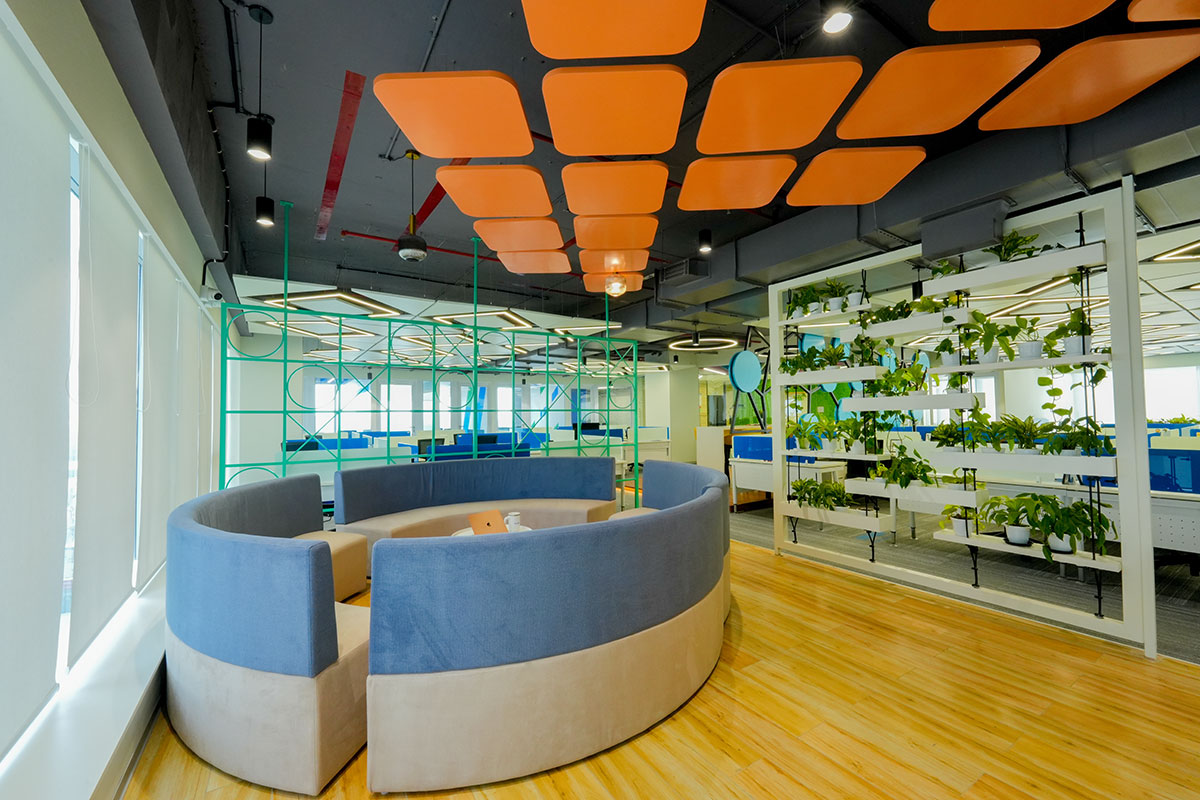
Landlord Programme
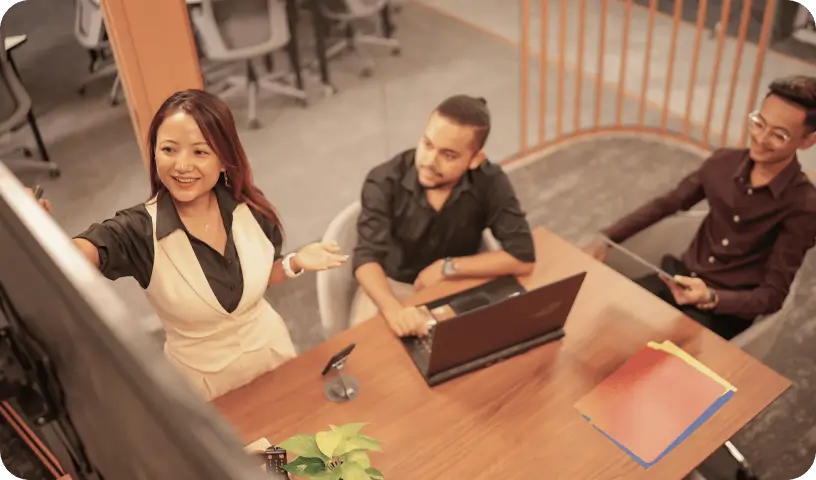
Revenue Sharing
Enjoy shared profits from property sales and management.
Expert Management
Professional handling of space management and tenant services.
Property Enhancement
Increase property value through strategic improvements.
Tenant Satisfaction
Achieve higher tenant satisfaction with top-tier services.
Includes
Property management
Facility maintenance & upgrades
Financial reporting & analytics
Sustainability initiatives
Strategic marketing & leasing
Tenant engagement programs
Customized space solutions
24/7 support & service
join us in changing the future of work places.
Contact us today to learn more about our partnership programs and how we can collaborate for mutual success.
Channel Partner (CP) Programme
Our Channel Partner Programme is designed for brokers and partners who can refer prospective clients to IndiQube. This program offers a win-win collaboration where you can benefit from our extensive network and market presence. By connecting us with potential clients, you help businesses find the perfect workspace while earning rewards for your referrals.
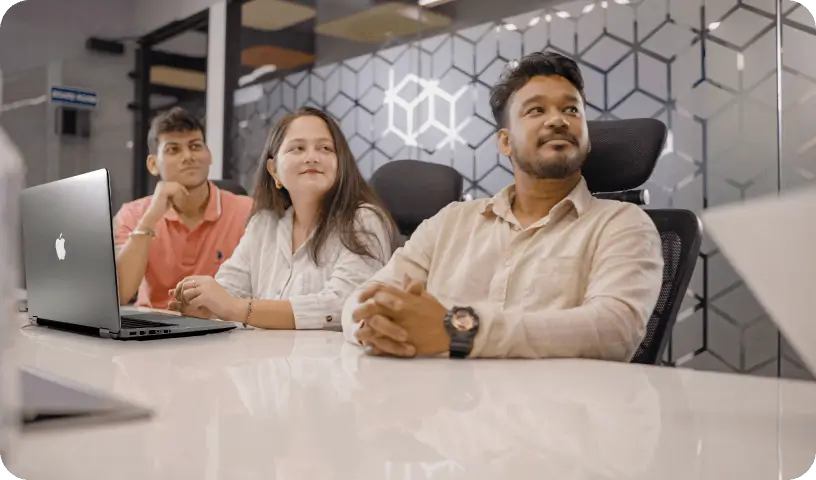
Referral Incentives
Attractive rewards for client referrals.
Extensive Network
Access a vast network of potential clients.
Collaborative Support
Receive resources to facilitate client referrals.
Market Presence
Leverage our established market presence for successful partnerships.
Includes
Training & Onboarding
Marketing materials & support
Regular updates on spaces
Access to exclusive events
Real-Time Scheduling
Dedicated account manager
Co-branded promotions
Detailed reporting & analytics
join us in changing the future of work places.
Contact us today to learn more about our partnership programs and how we can collaborate for mutual success.
Supplier Programme
The Supplier Programme at IndiQube invites suppliers of various products and services to register with us. Whether you offer interiors, F&B services, consumables, or other relevant products, partnering with us provides an opportunity to expand your business. We seek reliable vendors who share our commitment to quality and sustainability, ensuring our workspaces are equipped with the best.

Wide Client Base
Access to a large network within IndiQube’s ecosystem.
Long-term Partnerships
Opportunities for enduring business relationships.
Brand Alignment
Partner with a leading name in workspace solutions.
Quality Commitment
Work with a company dedicated to excellence and sustainability.
Includes
Comprehensive vendor onboarding
Access to events & networking
Co-branded promotional activities
Financial reporting & analytics
Regular procurement opportunities
Detailed performance reviews
24/7 support & communication channels
join us in changing the future of work places.
Contact us today to learn more about our partnership programs and how we can collaborate for mutual success.
Synergies in Promotion
IndiQube offers unique brand promotion opportunities through our In Commune advertising services. Utilize our OOH LED displays, in-lift digital displays, digital advertising standees, traditional standees, and on-ground activations to enhance your brand’s visibility. Our workspaces provide high engagement and visibility, making them ideal for your advertising needs.
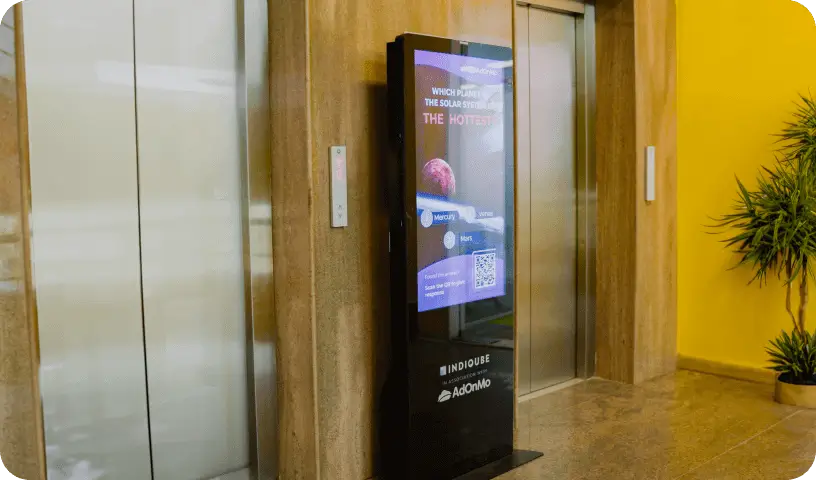
Diverse Formats
Various advertising formats to meet your brand requirements.
High Visibility
Premium workspace locations ensure maximum exposure.
Effective Activations
Engaging brand activation opportunities within our vibrant community.
Community Engagement
Direct access to a dynamic and engaged audience.
Includes
OOH LED displays
Digital advertising standees
On-ground activations
24/7 support & assistance
In-lift digital displays
Traditional standees
Analytics & Performance reports
join us in changing the future of work places.
Contact us today to learn more about our partnership programs and how we can collaborate for mutual success.
Events & Experience
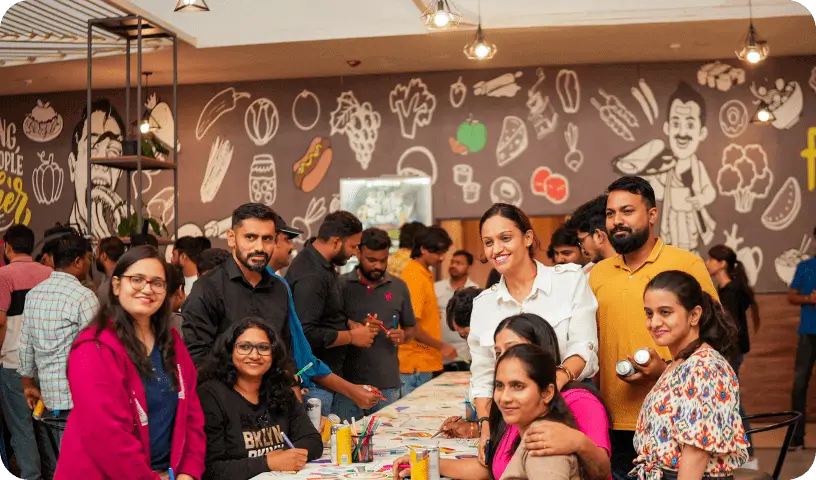
Our Events & Experience Programme offers venue partnerships and comprehensive event management services. Whether you are hosting corporate events, client meetings, or employee engagement activities, IndiQube provides the perfect setting and expertise. Our team ensures seamless execution, creating memorable experiences that enhance your brand and client relationships.
Premium Venues
Access to top-tier event spaces.
Full-Service Management
Comprehensive event planning and execution.
Engaging Experiences
Expertise in creating impactful and memorable events.
Brand Enhancement
Strengthen client relationships with professional event settings.
Includes
Venue sourcing & setup
On-site support & logistics
Catering & hospitality
Post-event analysis & feedback
Event planning & coordination
AV Equipment
Customizable event packages
24/7 support & assistance
join us in changing the future of work places.
Contact us today to learn more about our partnership programs and how we can collaborate for mutual success.