
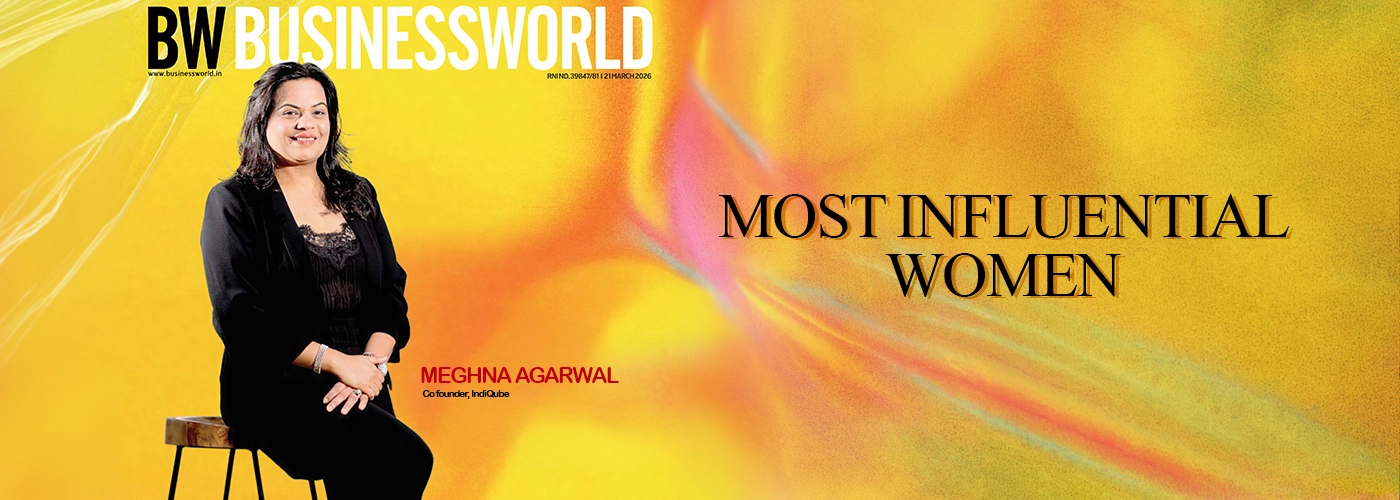
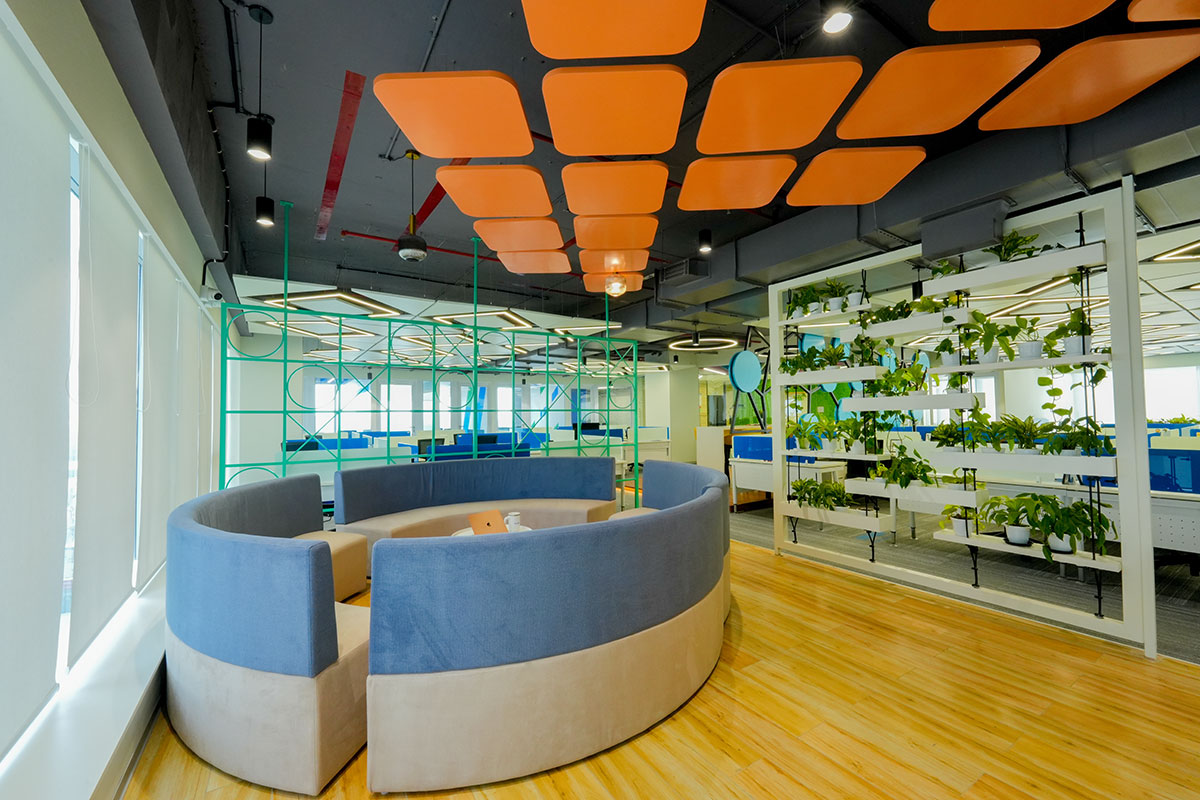
In a sector traditionally defined by real estate and capital intensity, Meghna Agarwal has helped reshape the narrative, transforming IndiQube from a flexible workspace provider into a full-stack managed workplace solutions company. Agarwal’s approach stems from a technology-first mindset. She views workspaces as an integrated stack, where the “hardware” is the building, the “software” is design and configuration, and the “application layer” powers employee experience through services such as food, transport and digital infrastructure. This perspective enabled IndiQube to move beyond desks and square footage, towards offering end-to-end workplace solutions.
A key inflection point came during the Covid-19 pandemic. While disruptive for the sector, it accelerated a deeper shift in how enterprises perceived offices, not merely as cost centres, but as strategic tools for productivity, collaboration and talent retention. This led to rising demand for flexible, decentralised workspaces and pushed IndiQube to expand into Tier-2 cities such as Coimbatore, Kochi, Indore and Bhubaneswar. Today, the company operates across 17 cities with close to 10 million sqft of workspace.
The evolution of work itself has further reinforced this shift. Hybrid is no longer a trend but an infrastructure layer, with enterprises demanding flexibility to scale up or down, reconfigure layouts and integrate technology seamlessly. Clients now prioritise collaboration zones, wellness features and hospitality-grade amenities, forcing offices to “earn attendance” in ways they never had to before.
Despite operating in a capital-heavy sector, Agarwal has prioritised capital efficiency. IndiQube adopted an asset-light model, focusing on operations over ownership. This enabled sustainable scale, attracted investment from WestBridge Capital and culminated in a Rs 700 crore IPO in 2025, with a diversified base of over 830 clients.
Agarwal is also candid about leadership lessons: centralisation gave way to decentralised decisions, while the pandemic reinforced integrity and long-term relationships with clients and landlords.
She points to persistent challenges for women founders, particularly limited access to capital and networks in infrastructure-led sectors. Addressing these gaps, she argues, requires targeted funding, stronger mentorship ecosystems and a shift from representation to real decision-making authority.
Looking ahead, Agarwal sees three defining trends: the rise of GCCs, the growing importance of Tier-2 cities and deeper tech integration. IndiQube’s ambition is not just scale, but to become the most trusted full-stack workspace partner, guided by a simple principle: follow the talent.
This article was originally published on BW BUSINESSWORLD Magazine on Mar 26, 2026
IndiQube Gets ‘CRISIL A+’ Rating. Learn more
Renovation
Build Greener Futures
Upgrade properties with sustainable solutions that improve efficiency, reduce environmental impact, and increase value.
Increased Rental Yield
Drive higher occupancy and tenant satisfaction through modernized workspaces and enhanced building experiences.
Smart Property Operations
Leverage technology-enabled management systems to streamline operations, monitor performance, and improve user experience.
Future-Ready Infrastructure
Create resilient, adaptable workplaces with integrated sustainability solutions and intelligent building technologies.
Includes
Building Renovation & Upgradation
Rainwater Harvesting
Energy-Efficient Appliances
Improving Air Quality
Retrofitting & Modernization
STPs & WTPs
Organic Waste Composting
Renewable Energy Systems
Join Us in Creating a Sustainable Future
Contact us today to learn more about our zero waste initiatives and how we can collaborate for a greener tomorrow.
Landlord Programme
Revenue Sharing
Enjoy shared profits from property sales and management.
Expert Management
Professional handling of space management and tenant services.
Property Enhancement
Increase property value through strategic improvements.
Tenant Satisfaction
Achieve higher tenant satisfaction with top-tier services.
Includes
Property management
Facility maintenance & upgrades
Financial reporting & analytics
Sustainability initiatives
Strategic marketing & leasing
Tenant engagement programs
Customized space solutions
24/7 support & service
join us in changing the future of work places.
Contact us today to learn more about our partnership programs and how we can collaborate for mutual success.
Channel Partner (CP) Programme
Our Channel Partner Programme is designed for brokers and partners who can refer prospective clients to IndiQube. This program offers a win-win collaboration where you can benefit from our extensive network and market presence. By connecting us with potential clients, you help businesses find the perfect workspace while earning rewards for your referrals.
Referral Incentives
Attractive rewards for client referrals.
Extensive Network
Access a vast network of potential clients.
Collaborative Support
Receive resources to facilitate client referrals.
Market Presence
Leverage our established market presence for successful partnerships.
Includes
Training & Onboarding
Marketing materials & support
Regular updates on spaces
Access to exclusive events
Real-Time Scheduling
Dedicated account manager
Co-branded promotions
Detailed reporting & analytics
join us in changing the future of work places.
Contact us today to learn more about our partnership programs and how we can collaborate for mutual success.
Supplier Programme
The Supplier Programme at IndiQube invites suppliers of various products and services to register with us. Whether you offer interiors, F&B services, consumables, or other relevant products, partnering with us provides an opportunity to expand your business. We seek reliable vendors who share our commitment to quality and sustainability, ensuring our workspaces are equipped with the best.

Wide Client Base
Access to a large network within IndiQube’s ecosystem.
Long-term Partnerships
Opportunities for enduring business relationships.
Brand Alignment
Partner with a leading name in workspace solutions.
Quality Commitment
Work with a company dedicated to excellence and sustainability.
Includes
Comprehensive vendor onboarding
Access to events & networking
Co-branded promotional activities
Financial reporting & analytics
Regular procurement opportunities
Detailed performance reviews
24/7 support & communication channels
join us in changing the future of work places.
Contact us today to learn more about our partnership programs and how we can collaborate for mutual success.
Synergies in Promotion
IndiQube offers unique brand promotion opportunities through our In Commune advertising services. Utilize our OOH LED displays, in-lift digital displays, digital advertising standees, traditional standees, and on-ground activations to enhance your brand’s visibility. Our workspaces provide high engagement and visibility, making them ideal for your advertising needs.
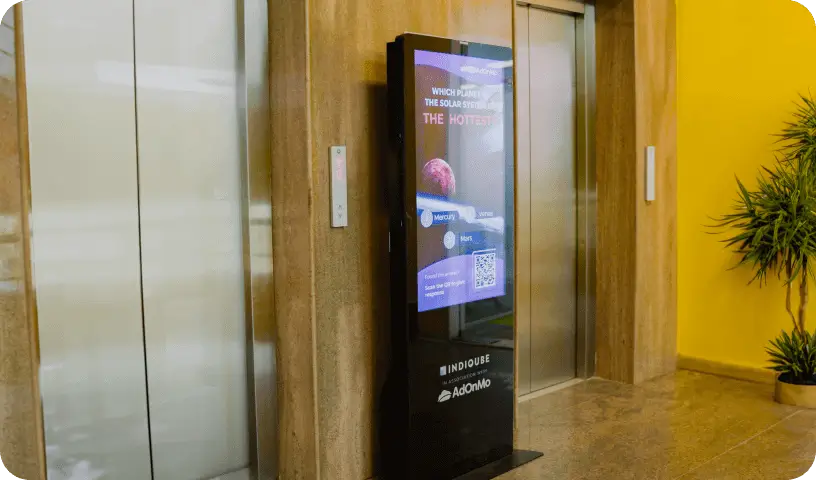
Diverse Formats
Various advertising formats to meet your brand requirements.
High Visibility
Premium workspace locations ensure maximum exposure.
Effective Activations
Engaging brand activation opportunities within our vibrant community.
Community Engagement
Direct access to a dynamic and engaged audience.
Includes
OOH LED displays
Digital advertising standees
On-ground activations
24/7 support & assistance
In-lift digital displays
Traditional standees
Analytics & Performance reports
join us in changing the future of work places.
Contact us today to learn more about our partnership programs and how we can collaborate for mutual success.
Events & Experience
Our Events & Experience Programme offers venue partnerships and comprehensive event management services. Whether you are hosting corporate events, client meetings, or employee engagement activities, IndiQube provides the perfect setting and expertise. Our team ensures seamless execution, creating memorable experiences that enhance your brand and client relationships.
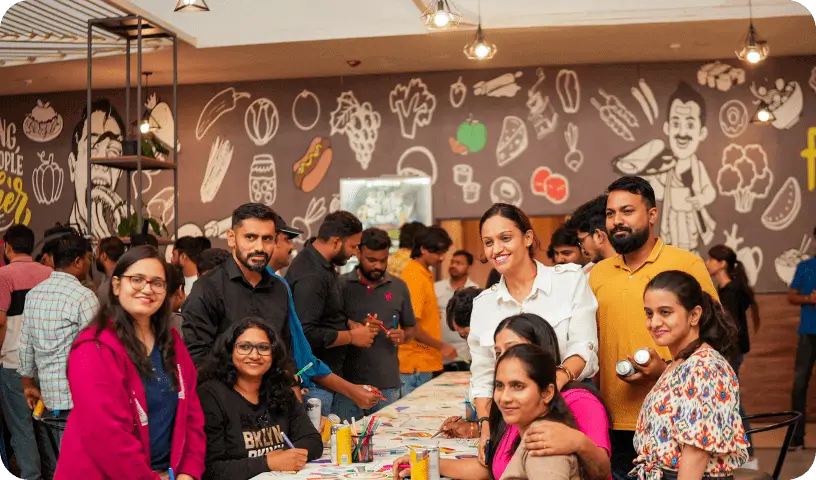
Premium Venues
Access to top-tier event spaces.
Full-Service Management
Comprehensive event planning and execution.
Engaging Experiences
Expertise in creating impactful and memorable events.
Brand Enhancement
Strengthen client relationships with professional event settings.
Includes
Venue sourcing & setup
On-site support & logistics
Catering & hospitality
Post-event analysis & feedback
Event planning & coordination
AV Equipment
Customizable event packages
24/7 support & assistance
join us in changing the future of work places.
Contact us today to learn more about our partnership programs and how we can collaborate for mutual success.