
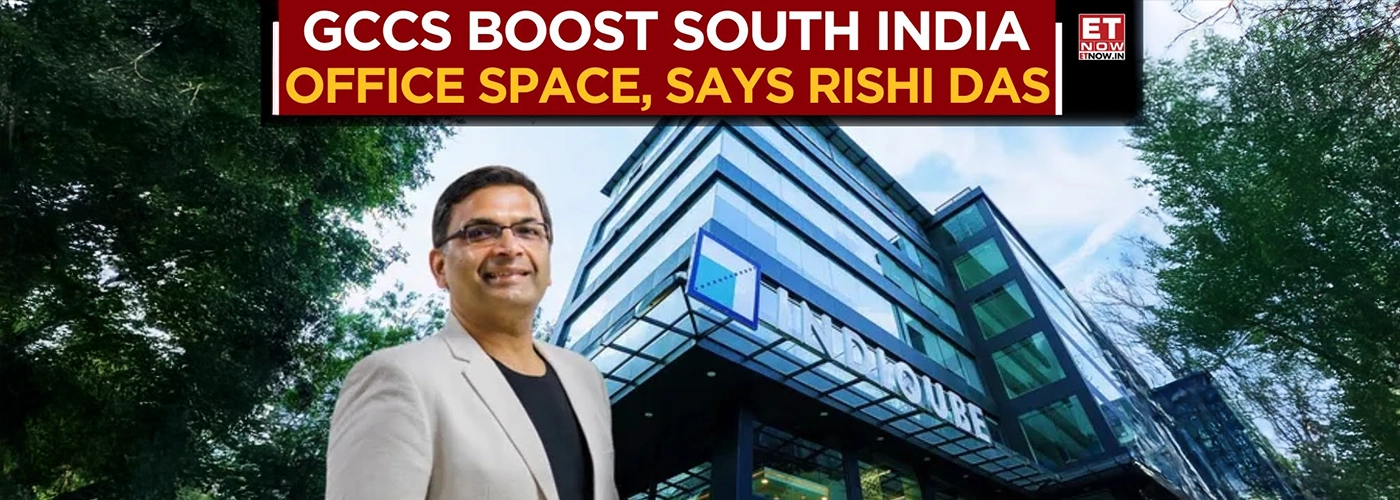
The Indian office real estate landscape is evolving at an unprecedented pace, and Rishi Das, Co-founder of IndiQube, has been closely observing the trends driving this transformation. With the rapid growth of Global Capability Centers (GCCs) and the increasing prominence of flexible workspaces, India is becoming a hotspot for global companies looking to scale operations efficiently.
According to industry data, South India now accounts for over 50% of India’s commercial office space, making it the preferred destination for GCC investments. Cities such as Bangalore, Hyderabad, and Chennai form a strategic southern triangle, facilitating talent mobility and regional synergy. This region benefits from early development of offshore centers, a robust talent pool, and highly competitive state policies aimed at attracting multinational investments. High literacy rates, gender diversity, and quality education add to the appeal, while tier 2 cities such as Kimbadur and emerging locations in Kerala are gaining attention due to new infrastructure initiatives like Andhra Pradesh’s upcoming data center projects.
Rishi Das emphasizes that the GCC sector in India is witnessing sustained growth rather than a temporary surge. GCCs currently account for about one-third of all office space transactions across India, with year-on-year absorption rising by 24%. Industry experts project that GCCs could drive nearly 40% of new office space absorption in the next year. This growth is reflective of a larger trend in which Fortune 2000 companies, unicorns, and startups from across the globe are setting up operations in India, seeking both scale and efficiency.
A decade ago, these centers primarily handled offshore development or back-office operations. Today, GCCs function as multi-faceted hubs managing complex global operations. Their responsibilities now span functions across technology, finance, marketing, human resources, and more. Companies are leveraging Indian GCCs for global roles traditionally handled in North America or Europe, highlighting India’s strategic importance in global business models. Rishi Das points out that this expansion is a natural evolution rather than speculative growth, driven by real business needs and operational efficiency.
Not all companies require large-scale offices in sprawling tech parks. Smaller GCCs, typically housing fewer than 2,000 employees, increasingly prefer Grade A offices with plug-and-play, flexible setups. Providers like IndiQube have capitalized on this demand, offering turnkey solutions that maintain occupancy rates around 85-86%, ensuring scalability without overcrowding. For Rishi Das, the success of flexible spaces is not only about infrastructure but also about enabling companies to attract and retain talent closer to where employees live, thereby creating more balanced and sustainable urban growth.
Despite the strong growth in major cities, tier 2 and tier 3 cities face infrastructural and policy challenges. While states such as Maharashtra, Karnataka, and Tamil Nadu have implemented GCC-friendly policies, smaller cities still struggle with limited Grade A office spaces and inconsistent infrastructure. Government initiatives, including the creation of IT parks and technology clusters, as seen with Tidel Park in Tamil Nadu and ITPL in Karnataka, have historically catalyzed regional tech growth. Rishi Das advocates for a similar approach today, combining public-private partnerships, single-window clearances, and targeted incentives to attract GCCs to emerging cities. Such interventions are vital to decentralize opportunities, stimulate regional economies, and accommodate the growing demand from diverse sectors including healthcare, fintech, and logistics.
While technology remains the dominant sector, healthcare, fintech, and manufacturing are increasingly establishing global centers in India. This expansion reflects the flexibility of the GCC model, capable of catering to multiple industries with different operational requirements. The result is a dynamic ecosystem that not only supports global operations but also fosters local innovation and job creation.
Looking ahead, India’s office space market is poised for continued growth, with GCCs playing a pivotal role. The convergence of strategic location advantages in South India, rising tier 2 city potential, flexible workspace solutions, and policy support forms a robust foundation for sustained expansion. For Rishi Das, the future of India’s commercial real estate is intertwined with the growth of GCCs, which continue to reshape work environments, urban infrastructure, and the global competitiveness of Indian cities.
In summary, the growth of GCCs in India is not a bubble but an evolutionary step in global business operations. South India’s dominance in office space, the rise of tier 2 and 3 city clusters, and the flexibility offered by co-working spaces collectively reflect a maturing market. With continued infrastructure development and policy support, India is well-positioned to remain a preferred destination for global companies seeking scalable, innovative, and sustainable office solutions.
For more insights, you can view the full video here.
IndiQube Gets ‘CRISIL A+’ Rating. Learn more
Renovation
Build Greener Futures
Upgrade properties with sustainable solutions that improve efficiency, reduce environmental impact, and increase value.
Increased Rental Yield
Drive higher occupancy and tenant satisfaction through modernized workspaces and enhanced building experiences.
Smart Property Operations
Leverage technology-enabled management systems to streamline operations, monitor performance, and improve user experience.
Future-Ready Infrastructure
Create resilient, adaptable workplaces with integrated sustainability solutions and intelligent building technologies.
Includes
Building Renovation & Upgradation
Rainwater Harvesting
Energy-Efficient Appliances
Improving Air Quality
Retrofitting & Modernization
STPs & WTPs
Organic Waste Composting
Renewable Energy Systems
Join Us in Creating a Sustainable Future
Contact us today to learn more about our zero waste initiatives and how we can collaborate for a greener tomorrow.
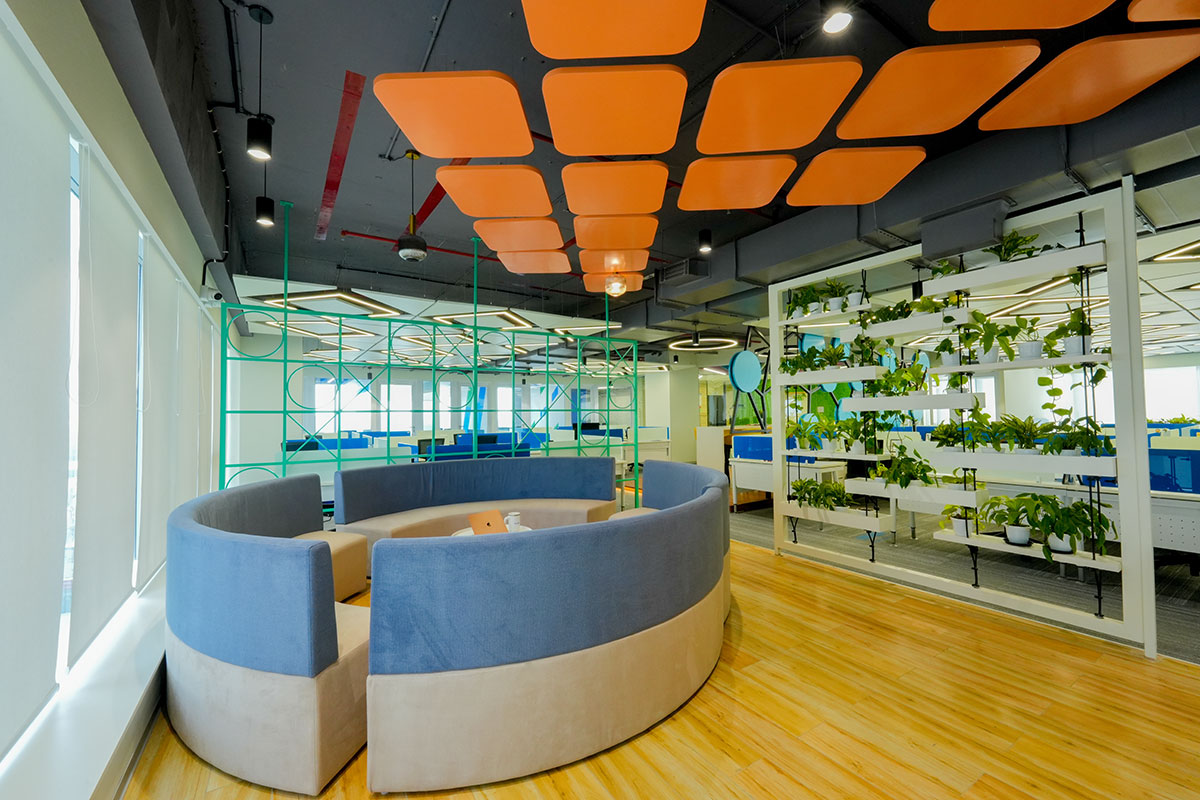
Landlord Programme

Revenue Sharing
Enjoy shared profits from property sales and management.
Expert Management
Professional handling of space management and tenant services.
Property Enhancement
Increase property value through strategic improvements.
Tenant Satisfaction
Achieve higher tenant satisfaction with top-tier services.
Includes
Property management
Facility maintenance & upgrades
Financial reporting & analytics
Sustainability initiatives
Strategic marketing & leasing
Tenant engagement programs
Customized space solutions
24/7 support & service
join us in changing the future of work places.
Contact us today to learn more about our partnership programs and how we can collaborate for mutual success.
Channel Partner (CP) Programme
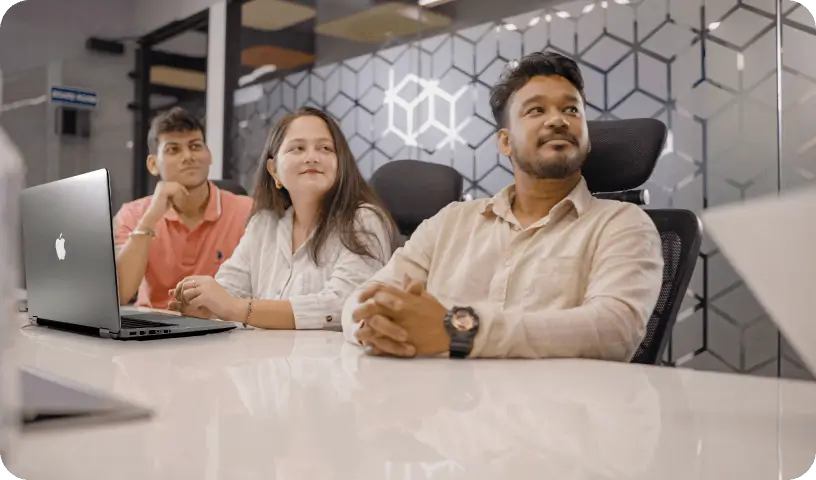
Our Channel Partner Programme is designed for brokers and partners who can refer prospective clients to IndiQube. This program offers a win-win collaboration where you can benefit from our extensive network and market presence. By connecting us with potential clients, you help businesses find the perfect workspace while earning rewards for your referrals.
Referral Incentives
Attractive rewards for client referrals.
Extensive Network
Access a vast network of potential clients.
Collaborative Support
Receive resources to facilitate client referrals.
Market Presence
Leverage our established market presence for successful partnerships.
Includes
Training & Onboarding
Marketing materials & support
Regular updates on spaces
Access to exclusive events
Real-Time Scheduling
Dedicated account manager
Co-branded promotions
Detailed reporting & analytics
join us in changing the future of work places.
Contact us today to learn more about our partnership programs and how we can collaborate for mutual success.
Supplier Programme
The Supplier Programme at IndiQube invites suppliers of various products and services to register with us. Whether you offer interiors, F&B services, consumables, or other relevant products, partnering with us provides an opportunity to expand your business. We seek reliable vendors who share our commitment to quality and sustainability, ensuring our workspaces are equipped with the best.

Wide Client Base
Access to a large network within IndiQube’s ecosystem.
Long-term Partnerships
Opportunities for enduring business relationships.
Brand Alignment
Partner with a leading name in workspace solutions.
Quality Commitment
Work with a company dedicated to excellence and sustainability.
Includes
Comprehensive vendor onboarding
Access to events & networking
Co-branded promotional activities
Financial reporting & analytics
Regular procurement opportunities
Detailed performance reviews
24/7 support & communication channels
join us in changing the future of work places.
Contact us today to learn more about our partnership programs and how we can collaborate for mutual success.
Synergies in Promotion
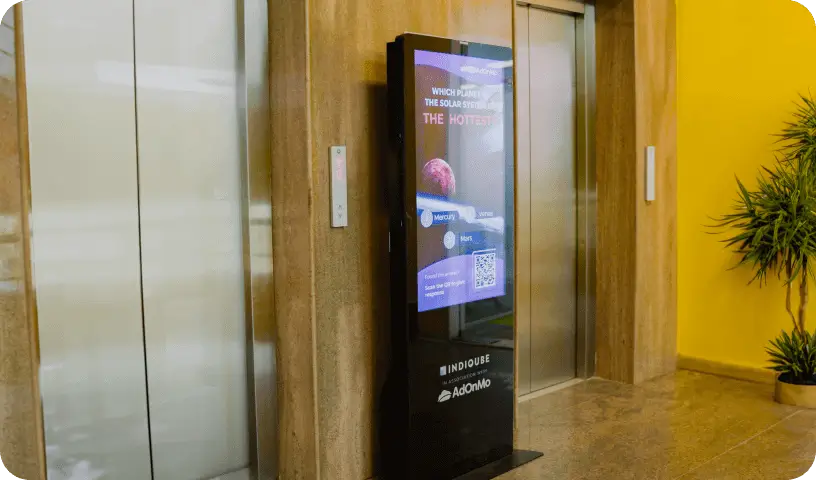
IndiQube offers unique brand promotion opportunities through our In Commune advertising services. Utilize our OOH LED displays, in-lift digital displays, digital advertising standees, traditional standees, and on-ground activations to enhance your brand’s visibility. Our workspaces provide high engagement and visibility, making them ideal for your advertising needs.
Diverse Formats
Various advertising formats to meet your brand requirements.
High Visibility
Premium workspace locations ensure maximum exposure.
Effective Activations
Engaging brand activation opportunities within our vibrant community.
Community Engagement
Direct access to a dynamic and engaged audience.
Includes
OOH LED displays
Digital advertising standees
On-ground activations
24/7 support & assistance
In-lift digital displays
Traditional standees
Analytics & Performance reports
join us in changing the future of work places.
Contact us today to learn more about our partnership programs and how we can collaborate for mutual success.
Events & Experience
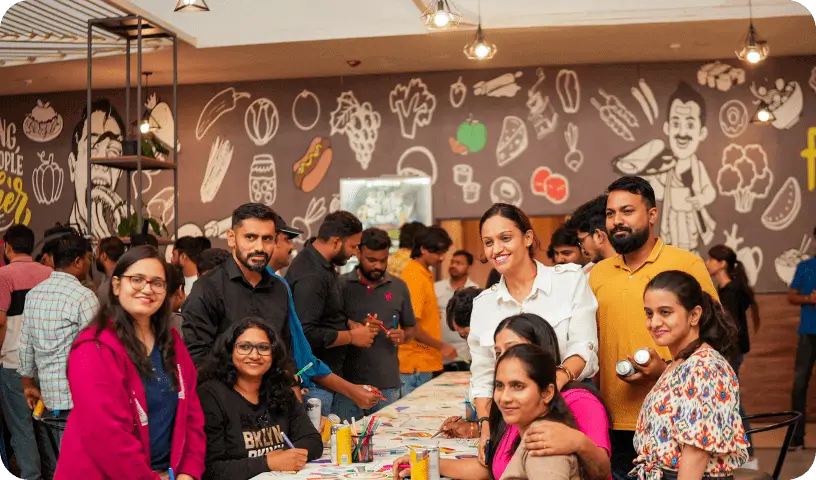
Our Events & Experience Programme offers venue partnerships and comprehensive event management services. Whether you are hosting corporate events, client meetings, or employee engagement activities, IndiQube provides the perfect setting and expertise. Our team ensures seamless execution, creating memorable experiences that enhance your brand and client relationships.
Premium Venues
Access to top-tier event spaces.
Full-Service Management
Comprehensive event planning and execution.
Engaging Experiences
Expertise in creating impactful and memorable events.
Brand Enhancement
Strengthen client relationships with professional event settings.
Includes
Venue sourcing & setup
On-site support & logistics
Catering & hospitality
Post-event analysis & feedback
Event planning & coordination
AV Equipment
Customizable event packages
24/7 support & assistance
join us in changing the future of work places.
Contact us today to learn more about our partnership programs and how we can collaborate for mutual success.