
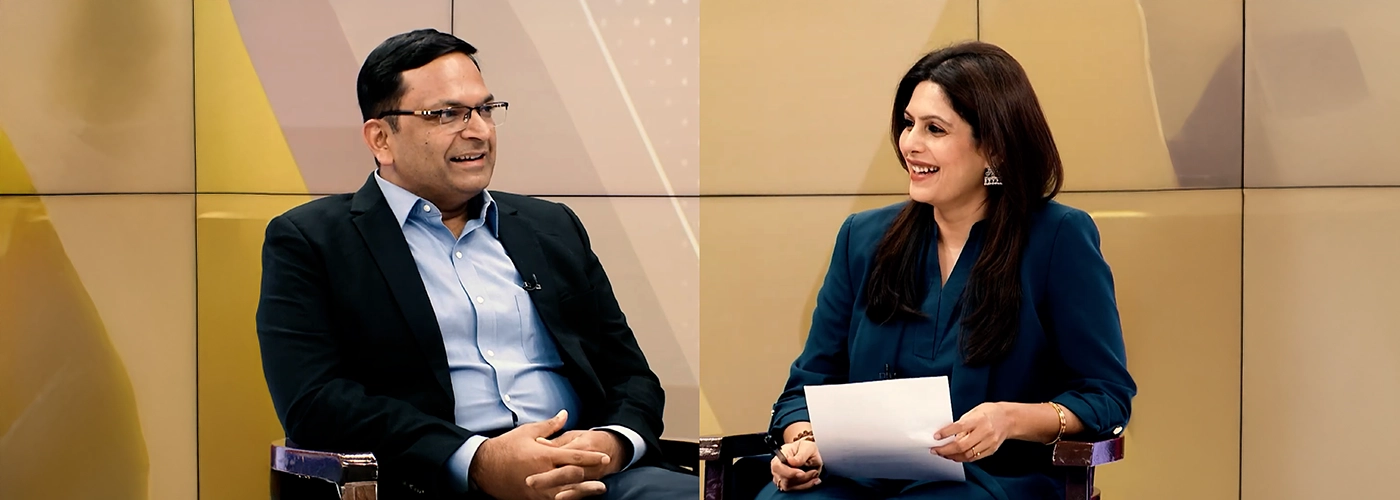
In a recent conversation with Forbes India and Firstpost, Rishi Das, Co-founder of IndiQube, shared powerful insights into India’s evolving workspace landscape. The interview, titled Forbes India | India’s Co-Working Revolution | Interview with Rishi Das, Founder, IndiQube , dives deep into how hybrid work models, technology, and India’s emerging business hubs are redefining the very idea of work.
Rishi’s story is not just about entrepreneurship. It is about vision, timing, and a deep understanding of how India’s unique workforce dynamics can shape a new global standard for workplace innovation.
The global conversation around the future of work often begins with the West, including Silicon Valley startups, hybrid models, and flexible work philosophies. But as Rishi explains in his discussion with journalist Palki Sharma, India is not merely following these trends. Instead, the country is crafting its own distinct model, built on local needs, entrepreneurial energy, and digital-first transformation.
“India is not just following global workplace trends; we are creating our own template for the world,” Rishi shared during the interview. His words encapsulate the spirit of IndiQube, a brand that reimagines traditional real estate by offering scalable, tech-enabled workspaces tailored to businesses of all sizes.
From startups to Fortune 500 companies, IndiQube has become synonymous with the new-age workplace, where agility, sustainability, and people-first design coexist seamlessly.
A significant portion of the conversation focused on the rise of India’s tier-2 and tier-3 cities, regions that are now becoming the backbone of the country’s business growth story. Rishi believes this shift is both inevitable and inspiring.
With improved infrastructure, reliable connectivity, and a growing talent base, smaller cities are no longer seen as secondary business hubs. Instead, they are emerging as preferred destinations for organizations looking to expand cost-effectively without compromising on quality.
For Rishi, this evolution ties closely to IndiQube’s philosophy. Work should go where talent is, not the other way around. By creating workspaces that bring global-quality infrastructure closer to professionals in emerging cities, IndiQube is bridging a crucial gap, empowering both companies and employees to thrive.
A major highlight of the interview was the discussion around MiQube, IndiQube’s proprietary technology platform that enhances how businesses interact with their workspace.
Rishi described MiQube as “a technology-based platform changing the way businesses discover and engage with flexible workspace solutions.” Through MiQube, companies can manage their office environment with ease, from booking meeting rooms to accessing community engagement tools and managing daily operations.
In an increasingly hybrid world, MiQube represents IndiQube’s commitment to digital-first transformation, ensuring that workspaces are not just physical spaces but intelligent ecosystems.
Another key theme Rishi touched upon was sustainability, the quiet revolution reshaping India’s commercial real estate. IndiQube has consistently focused on retrofitting and transforming existing buildings instead of constructing new ones from scratch.
This approach not only aligns with global green goals but also makes strong economic sense. It allows cities to rejuvenate older infrastructure while significantly reducing the carbon footprint associated with new developments.
Rishi believes the green transition of older buildings is not just a trend but a responsibility. This vision has now evolved into a larger, service-driven framework at IndiQube called SaaS: Sustainability as a Service.
Under this model, IndiQube integrates sustainability into every stage of workspace management, offering clients energy-efficient solutions, smart building systems and data-led insights that help reduce resource consumption. From optimized lighting and HVAC retrofits to improved waste management and ESG reporting capabilities, Sustainability as a Service empowers companies to operate responsibly without compromising on experience or efficiency.
In Rishi’s words, sustainability is no longer a box to check. It is a scalable service that shapes the future of work.
Reflecting on his journey, Rishi’s tone in the interview was both humble and forward-looking. His early career experiences helped him understand the nuances of workforce management and business scaling. These lessons later became the foundation for IndiQube, a company born from a simple but powerful idea: to provide scalable workspace solutions that grow with the organization.
From a single property in Bengaluru to a pan-India presence spanning multiple cities, IndiQube’s growth mirrors Rishi’s vision of combining flexibility, design, and technology into one cohesive ecosystem.
As India’s business environment evolves, so do the expectations of its workforce. Today’s professionals seek more than just a desk. They seek experiences, community, and meaning in the spaces where they work.
Whether it is the adaptability of hybrid offices, the comfort of employee-centric amenities, or the integration of AI-driven management tools, IndiQube continues to stay ahead of the curve, helping shape the blueprint for India’s future workplaces.
The conversation with Forbes India was more than just a look at coworking trends. It was a window into how India’s next decade of growth will be built. In a world that is constantly rethinking the future of work, Rishi’s vision stands as a reminder that innovation does not always come from following global trends. It comes from creating India’s own path forward.
Watch the full feature on Forbes India: Forbes India | India’s Co-Working Revolution | Interview with Rishi Das, Founder, IndiQube.
IndiQube Gets ‘CRISIL A+’ Rating. Learn more
Renovation
Build Greener Futures
Upgrade properties with sustainable solutions that improve efficiency, reduce environmental impact, and increase value.
Increased Rental Yield
Drive higher occupancy and tenant satisfaction through modernized workspaces and enhanced building experiences.
Smart Property Operations
Leverage technology-enabled management systems to streamline operations, monitor performance, and improve user experience.
Future-Ready Infrastructure
Create resilient, adaptable workplaces with integrated sustainability solutions and intelligent building technologies.
Includes
Building Renovation & Upgradation
Rainwater Harvesting
Energy-Efficient Appliances
Improving Air Quality
Retrofitting & Modernization
STPs & WTPs
Organic Waste Composting
Renewable Energy Systems
Join Us in Creating a Sustainable Future
Contact us today to learn more about our zero waste initiatives and how we can collaborate for a greener tomorrow.
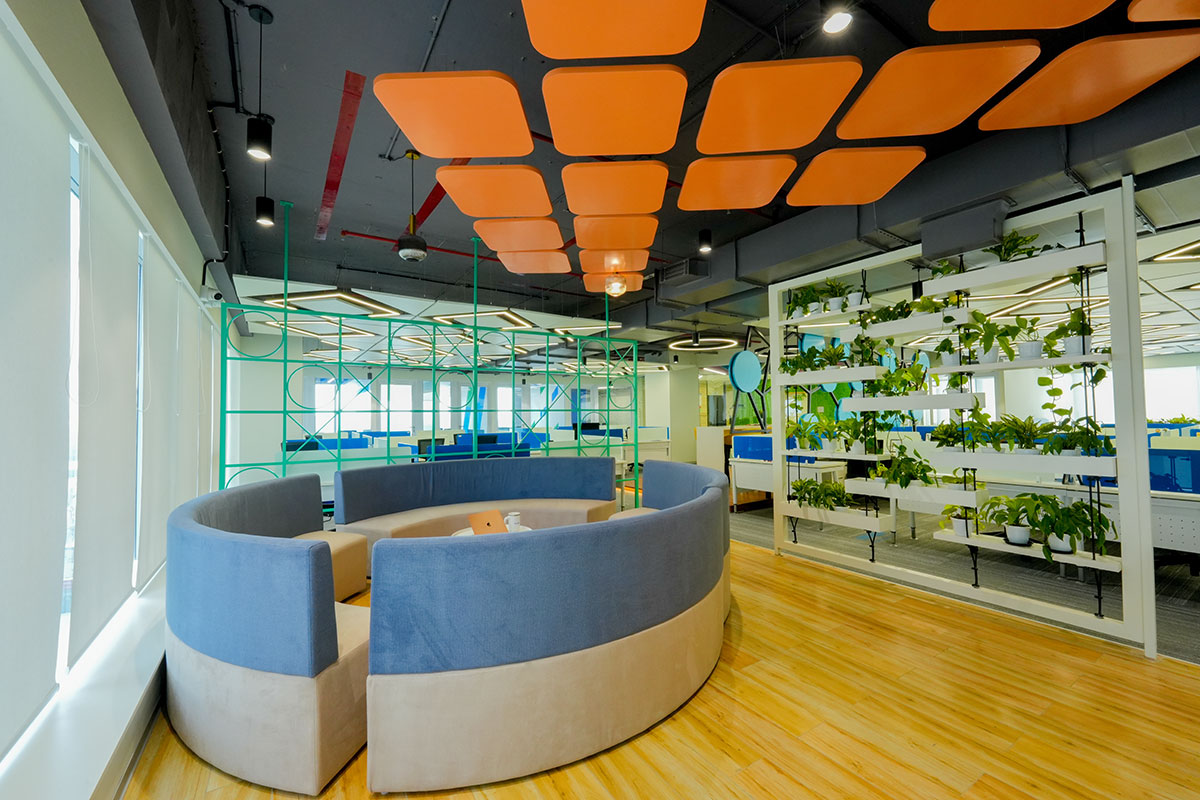
Landlord Programme
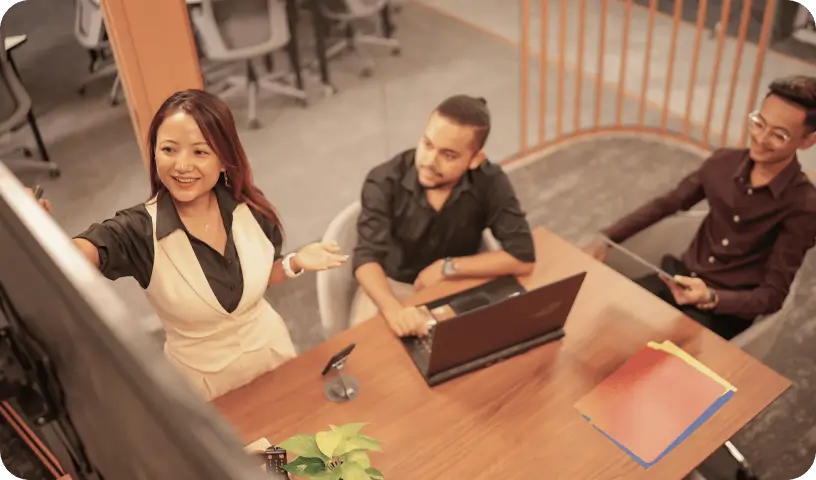
Revenue Sharing
Enjoy shared profits from property sales and management.
Expert Management
Professional handling of space management and tenant services.
Property Enhancement
Increase property value through strategic improvements.
Tenant Satisfaction
Achieve higher tenant satisfaction with top-tier services.
Includes
Property management
Facility maintenance & upgrades
Financial reporting & analytics
Sustainability initiatives
Strategic marketing & leasing
Tenant engagement programs
Customized space solutions
24/7 support & service
join us in changing the future of work places.
Contact us today to learn more about our partnership programs and how we can collaborate for mutual success.
Channel Partner (CP) Programme
Our Channel Partner Programme is designed for brokers and partners who can refer prospective clients to IndiQube. This program offers a win-win collaboration where you can benefit from our extensive network and market presence. By connecting us with potential clients, you help businesses find the perfect workspace while earning rewards for your referrals.
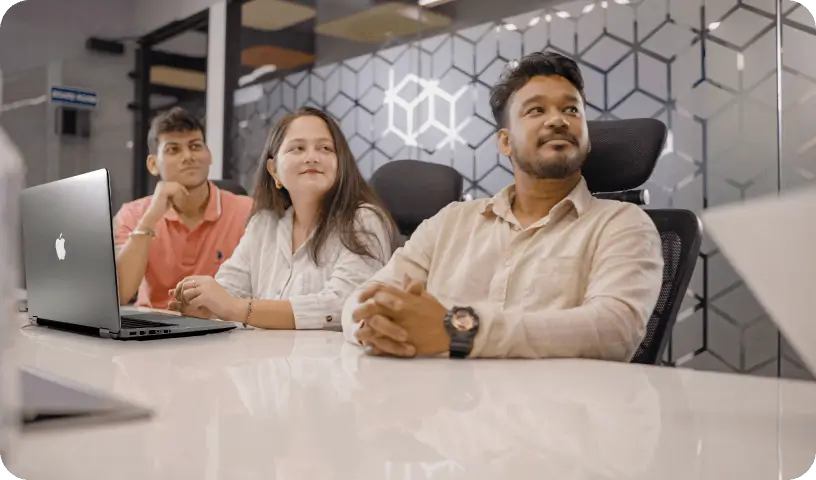
Referral Incentives
Attractive rewards for client referrals.
Extensive Network
Access a vast network of potential clients.
Collaborative Support
Receive resources to facilitate client referrals.
Market Presence
Leverage our established market presence for successful partnerships.
Includes
Training & Onboarding
Marketing materials & support
Regular updates on spaces
Access to exclusive events
Real-Time Scheduling
Dedicated account manager
Co-branded promotions
Detailed reporting & analytics
join us in changing the future of work places.
Contact us today to learn more about our partnership programs and how we can collaborate for mutual success.
Supplier Programme
The Supplier Programme at IndiQube invites suppliers of various products and services to register with us. Whether you offer interiors, F&B services, consumables, or other relevant products, partnering with us provides an opportunity to expand your business. We seek reliable vendors who share our commitment to quality and sustainability, ensuring our workspaces are equipped with the best.

Wide Client Base
Access to a large network within IndiQube’s ecosystem.
Long-term Partnerships
Opportunities for enduring business relationships.
Brand Alignment
Partner with a leading name in workspace solutions.
Quality Commitment
Work with a company dedicated to excellence and sustainability.
Includes
Comprehensive vendor onboarding
Access to events & networking
Co-branded promotional activities
Financial reporting & analytics
Regular procurement opportunities
Detailed performance reviews
24/7 support & communication channels
join us in changing the future of work places.
Contact us today to learn more about our partnership programs and how we can collaborate for mutual success.
Synergies in Promotion
IndiQube offers unique brand promotion opportunities through our In Commune advertising services. Utilize our OOH LED displays, in-lift digital displays, digital advertising standees, traditional standees, and on-ground activations to enhance your brand’s visibility. Our workspaces provide high engagement and visibility, making them ideal for your advertising needs.
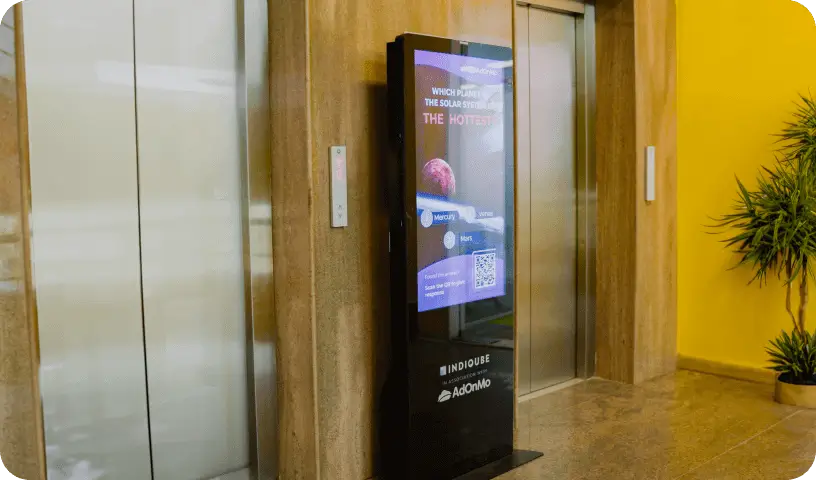
Diverse Formats
Various advertising formats to meet your brand requirements.
High Visibility
Premium workspace locations ensure maximum exposure.
Effective Activations
Engaging brand activation opportunities within our vibrant community.
Community Engagement
Direct access to a dynamic and engaged audience.
Includes
OOH LED displays
Digital advertising standees
On-ground activations
24/7 support & assistance
In-lift digital displays
Traditional standees
Analytics & Performance reports
join us in changing the future of work places.
Contact us today to learn more about our partnership programs and how we can collaborate for mutual success.
Events & Experience
Our Events & Experience Programme offers venue partnerships and comprehensive event management services. Whether you are hosting corporate events, client meetings, or employee engagement activities, IndiQube provides the perfect setting and expertise. Our team ensures seamless execution, creating memorable experiences that enhance your brand and client relationships.
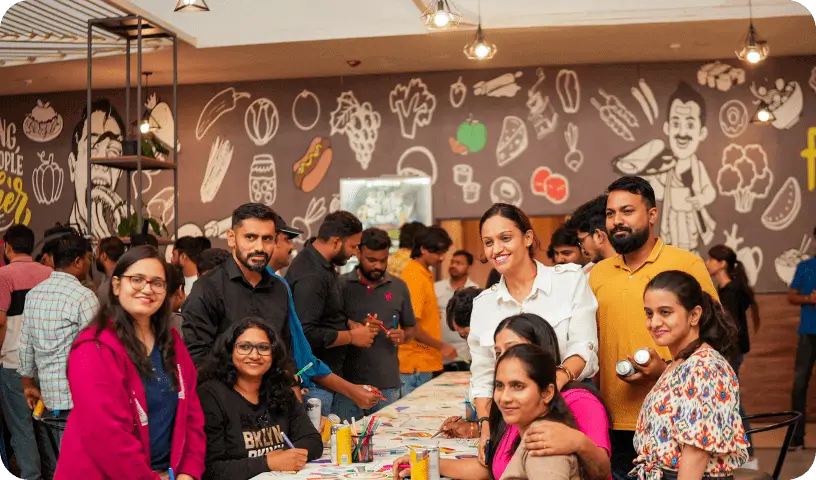
Premium Venues
Access to top-tier event spaces.
Full-Service Management
Comprehensive event planning and execution.
Engaging Experiences
Expertise in creating impactful and memorable events.
Brand Enhancement
Strengthen client relationships with professional event settings.
Includes
Venue sourcing & setup
On-site support & logistics
Catering & hospitality
Post-event analysis & feedback
Event planning & coordination
AV Equipment
Customizable event packages
24/7 support & assistance
join us in changing the future of work places.
Contact us today to learn more about our partnership programs and how we can collaborate for mutual success.