
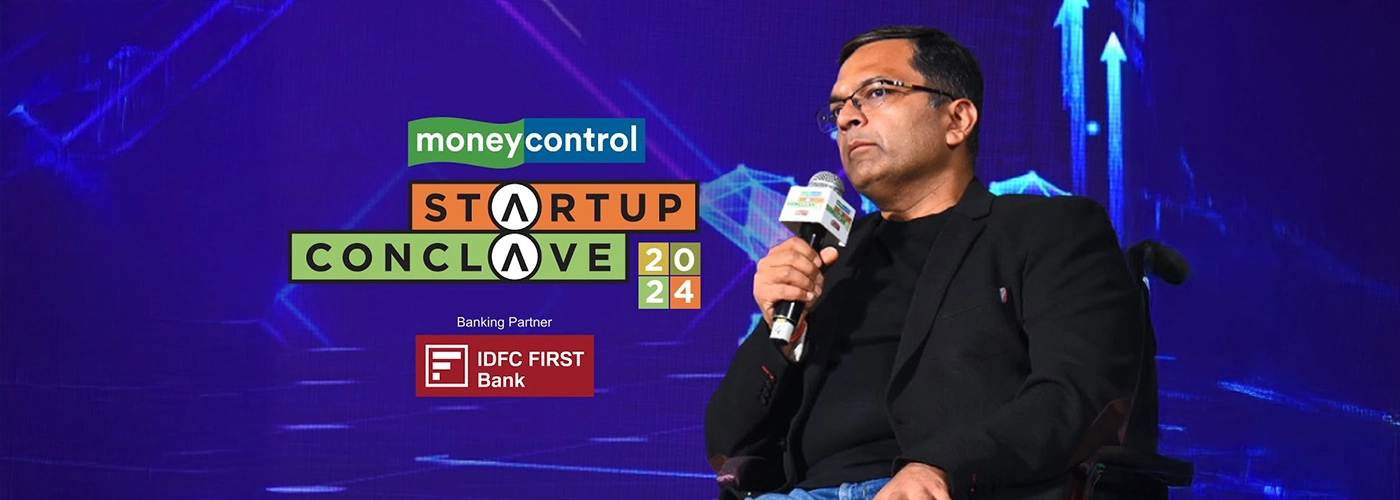
In the rapidly shifting terrain of India’s corporate real estate and workplace culture, Rishi Das, Co‑Founder of IndiQube, stands at the intersection of change and opportunity. Drawing on his deep experience in real estate, workspace strategy and a forward‑looking mindset, Rishi is shaping the way companies reimagine their office footprint, workforce behaviours and built‑space decisions. Today, he offers insight into how India’s office ecosystem is evolving, its implications for workspace demand, infrastructure and the future of work.
Post-COVID the traditional dichotomy of work from office versus work from home has been disrupted. As Rishi articulates, many organisations moved swiftly to remote operations and now face a tug-of-war between employee expectations for flexibility and employer goals of collaboration, culture-building and productivity.
He notes that the hybrid model, typically around three days in-office and two days remote, is emerging as the dominant rhythm, as companies balance connection and flexibility.
However, this pattern is far from uniform. Rishi points out that different functions within the same organisation show distinct behaviours. Finance teams may come in more frequently because of document-handling and compliance needs, while many IT teams continue to leverage remote modes effectively. This fragmentation of attendance has meant that workplace culture must now adapt to multiple sub-cultures within a company. Offices are no longer simply a one-size-fits-all asset; they are tailored ecosystems for different teams, purposes and rhythms.
From the vantage of workspace demand, the post-pandemic disruption has been significant. Traditional large tenants, tech companies, startups, global capability centres (GCCs) and Indian enterprises are each adapting their real estate strategy differently. Rishi emphasises that while startups the world over felt the funding winter, many Indian legacy companies in sectors such as logistics, cement and manufacturing are stepping into the office space game with renewed vigour.
One major shift is location. Connectivity, especially metro corridors, transit-oriented developments and proximity to talent pools, is now a primary factor in choosing office locations. In Rishi’s view, the movement of offices closer to metro lines and transport hubs is not a luxury but a necessity. Meanwhile, the expansion of flexible office spaces and co-working models is gaining traction, as organisations look to optimise cost, scale dynamically, and respond to hybrid work needs.
For IndiQube, this means designing and operating workspace environments that are flexible, technology-enabled and strategically positioned in well-connected nodes. Rishi believes that the office is now less a place to sit and work and more a place to collaborate, connect and innovate.
Rishi underlines that India absorbs roughly 40 to 42 million sq ft of Grade-A office space each year, and the total stock for Grade-A offices is around 800 million sq ft. He highlights that Bengaluru alone absorbs about 14 to 18 million sq ft annually, a figure that surpasses many global cities and underlines Bengaluru’s position as one of Asia’s fastest-growing office markets.
This dynamism is driven by multiple forces. A blend of large Indian corporations, GCCs, IT services firms and startups all contribute to the demand. The market has become highly democratic, not dominated by one type of tenant but diversified across sectors and company types. For Bengaluru, Rishi says, the mix of talent, infrastructure investments and business-friendly ecosystem make it a standout destination for corporates and workspace providers alike.
Beyond pure real estate numbers, Rishi draws attention to how urban infrastructure is shaping where and how work happens. In Bengaluru, for example, the revival of commercial hubs is closely tied to improved metro connectivity. As offices move closer to transit corridors, neighbourhoods once considered peripheral are becoming sought-after, driving redevelopment, higher leasing activity and better utilisation of spaces.
That said, he is quick to acknowledge the city’s challenges. Traffic congestion, water infrastructure constraints and legacy urban systems remain hurdles. Yet even these have not deterred large-scale corporate investment. Bengaluru’s emergence as the second busiest airport city in India, surpassing Mumbai, reinforces its standing as a major business hub.
For IndiQube, this means a dual focus: creating workspaces that respond to current needs and building for future demand. Smart meeting rooms, integrated technology, flexible layouts and strong amenities are table-stakes in the new era.
Rishi is optimistic about the roadmap ahead. He expects that the hybrid model will continue to dominate. Offices will evolve to become hubs for collaboration, team culture, leadership engagement and client-facing activities, while routine tasks may increasingly migrate to remote or satellite locations.
Flexible office solutions and co-working will continue to grow in importance as they allow organisations to adjust seats, bandwidth and cost structure more swiftly. On the real estate investment front, Rishi sees the sector maturing rapidly. More IPOs are likely in the next 2 to 3 years, reflecting investor confidence, promoter ownership strength and scalable business models.
Finally, he reiterates that Bengaluru will maintain its leadership role, built not just on IT but a diversified mix of manufacturing, aerospace, life sciences, startups, legacy corporations and global centres. For workspace providers and occupiers alike, the message is clear. Location still matters, flexibility is essential, and the employee experience will define the future of the office.
In an era when office no longer simply means four walls and a desk, Rishi Das and IndiQube are looking ahead, designing workspaces where people want to come, collaborate and belong. The future of work is not remote versus office. It is connected, flexible and purpose-driven. As India’s office ecosystem evolves, IndiQube is ready to lead with thoughtful spaces, scalable solutions and an unwavering focus on how and where people work best.
For full details on the wider market insights and data referenced, please watch the video here.
IndiQube Gets ‘CRISIL A+’ Rating. Learn more
Renovation
Build Greener Futures
Upgrade properties with sustainable solutions that improve efficiency, reduce environmental impact, and increase value.
Increased Rental Yield
Drive higher occupancy and tenant satisfaction through modernized workspaces and enhanced building experiences.
Smart Property Operations
Leverage technology-enabled management systems to streamline operations, monitor performance, and improve user experience.
Future-Ready Infrastructure
Create resilient, adaptable workplaces with integrated sustainability solutions and intelligent building technologies.
Includes
Building Renovation & Upgradation
Rainwater Harvesting
Energy-Efficient Appliances
Improving Air Quality
Retrofitting & Modernization
STPs & WTPs
Organic Waste Composting
Renewable Energy Systems
Join Us in Creating a Sustainable Future
Contact us today to learn more about our zero waste initiatives and how we can collaborate for a greener tomorrow.
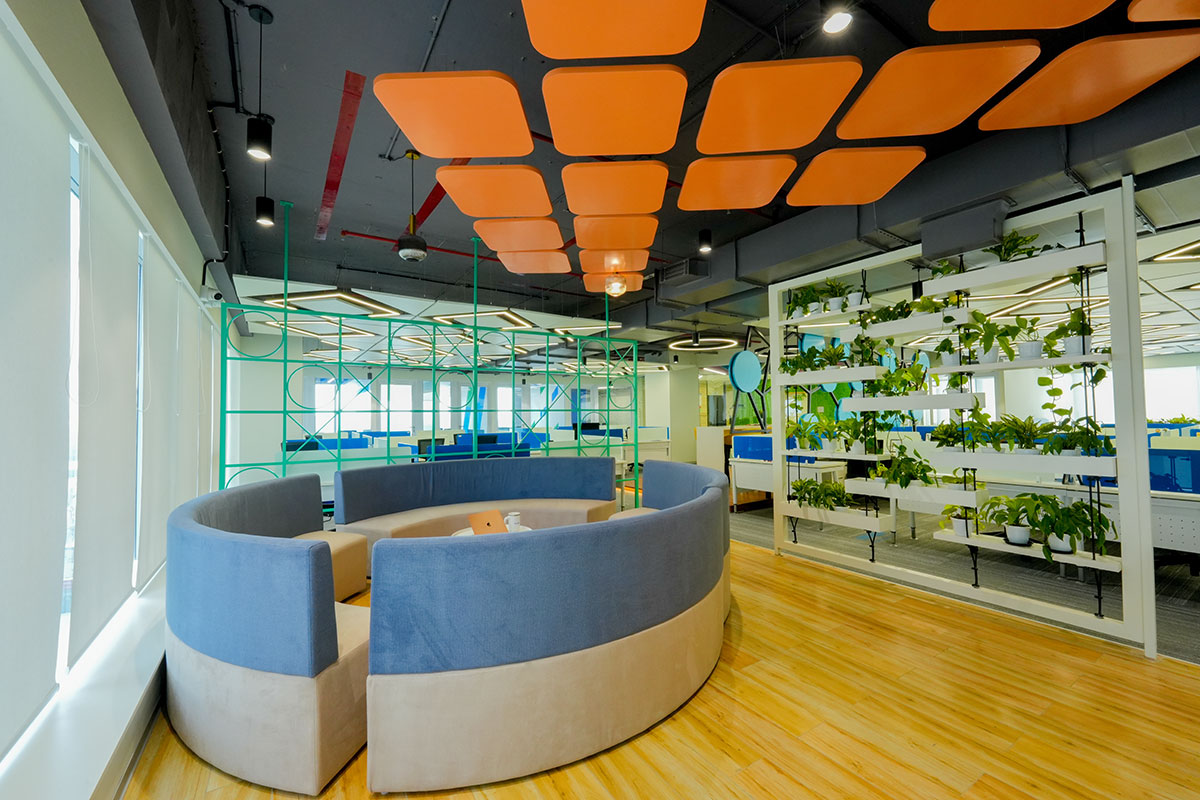
Landlord Programme
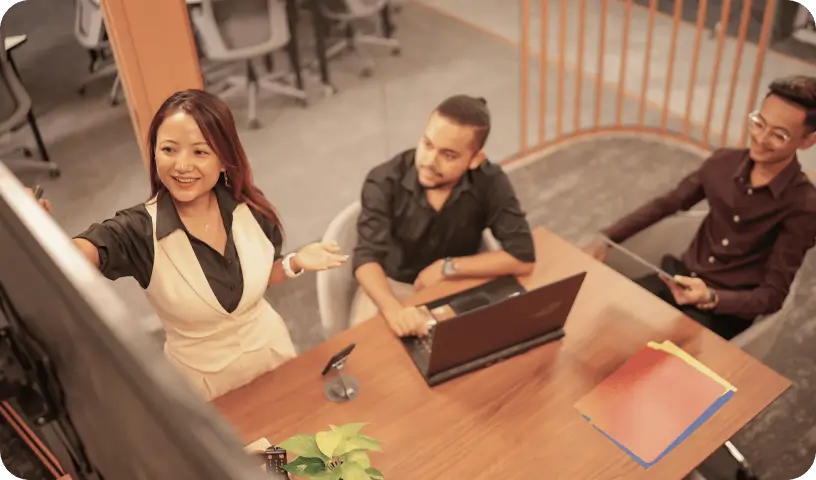
Revenue Sharing
Enjoy shared profits from property sales and management.
Expert Management
Professional handling of space management and tenant services.
Property Enhancement
Increase property value through strategic improvements.
Tenant Satisfaction
Achieve higher tenant satisfaction with top-tier services.
Includes
Property management
Facility maintenance & upgrades
Financial reporting & analytics
Sustainability initiatives
Strategic marketing & leasing
Tenant engagement programs
Customized space solutions
24/7 support & service
join us in changing the future of work places.
Contact us today to learn more about our partnership programs and how we can collaborate for mutual success.
Channel Partner (CP) Programme
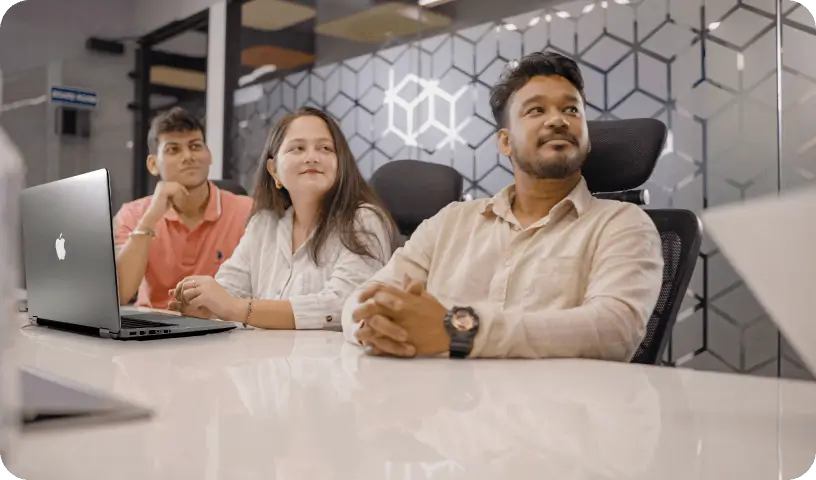
Our Channel Partner Programme is designed for brokers and partners who can refer prospective clients to IndiQube. This program offers a win-win collaboration where you can benefit from our extensive network and market presence. By connecting us with potential clients, you help businesses find the perfect workspace while earning rewards for your referrals.
Referral Incentives
Attractive rewards for client referrals.
Extensive Network
Access a vast network of potential clients.
Collaborative Support
Receive resources to facilitate client referrals.
Market Presence
Leverage our established market presence for successful partnerships.
Includes
Training & Onboarding
Marketing materials & support
Regular updates on spaces
Access to exclusive events
Real-Time Scheduling
Dedicated account manager
Co-branded promotions
Detailed reporting & analytics
join us in changing the future of work places.
Contact us today to learn more about our partnership programs and how we can collaborate for mutual success.
Supplier Programme
The Supplier Programme at IndiQube invites suppliers of various products and services to register with us. Whether you offer interiors, F&B services, consumables, or other relevant products, partnering with us provides an opportunity to expand your business. We seek reliable vendors who share our commitment to quality and sustainability, ensuring our workspaces are equipped with the best.

Wide Client Base
Access to a large network within IndiQube’s ecosystem.
Long-term Partnerships
Opportunities for enduring business relationships.
Brand Alignment
Partner with a leading name in workspace solutions.
Quality Commitment
Work with a company dedicated to excellence and sustainability.
Includes
Comprehensive vendor onboarding
Access to events & networking
Co-branded promotional activities
Financial reporting & analytics
Regular procurement opportunities
Detailed performance reviews
24/7 support & communication channels
join us in changing the future of work places.
Contact us today to learn more about our partnership programs and how we can collaborate for mutual success.
Synergies in Promotion
IndiQube offers unique brand promotion opportunities through our In Commune advertising services. Utilize our OOH LED displays, in-lift digital displays, digital advertising standees, traditional standees, and on-ground activations to enhance your brand’s visibility. Our workspaces provide high engagement and visibility, making them ideal for your advertising needs.
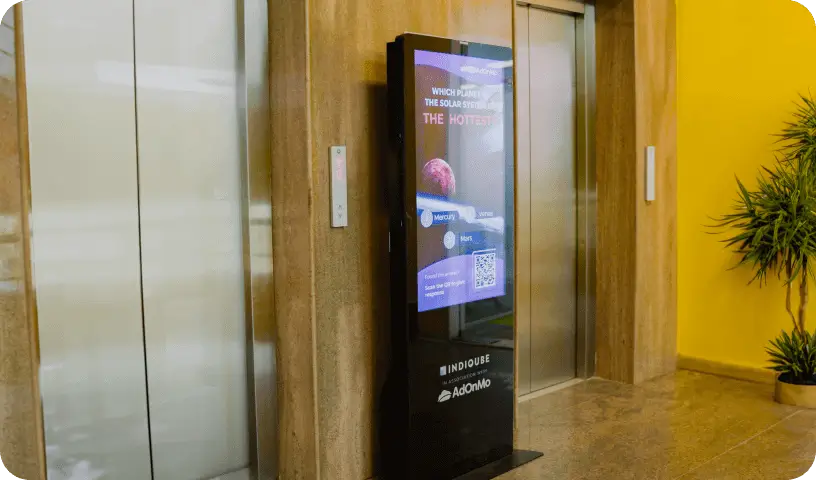
Diverse Formats
Various advertising formats to meet your brand requirements.
High Visibility
Premium workspace locations ensure maximum exposure.
Effective Activations
Engaging brand activation opportunities within our vibrant community.
Community Engagement
Direct access to a dynamic and engaged audience.
Includes
OOH LED displays
Digital advertising standees
On-ground activations
24/7 support & assistance
In-lift digital displays
Traditional standees
Analytics & Performance reports
join us in changing the future of work places.
Contact us today to learn more about our partnership programs and how we can collaborate for mutual success.
Events & Experience
Our Events & Experience Programme offers venue partnerships and comprehensive event management services. Whether you are hosting corporate events, client meetings, or employee engagement activities, IndiQube provides the perfect setting and expertise. Our team ensures seamless execution, creating memorable experiences that enhance your brand and client relationships.
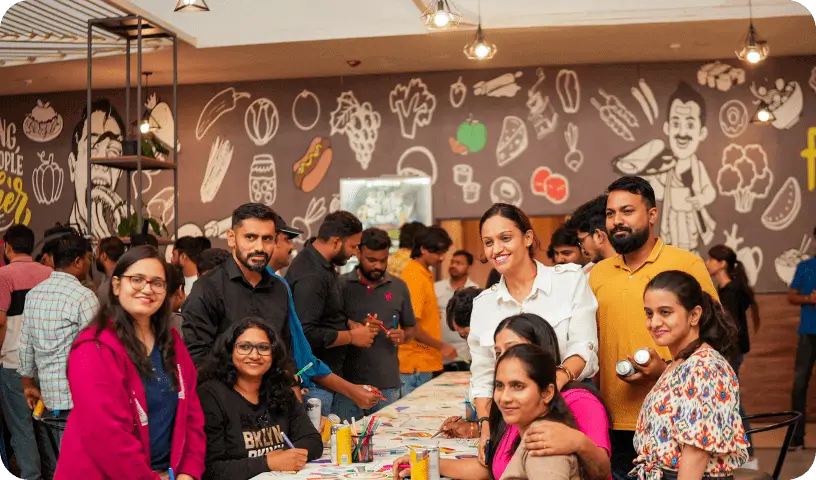
Premium Venues
Access to top-tier event spaces.
Full-Service Management
Comprehensive event planning and execution.
Engaging Experiences
Expertise in creating impactful and memorable events.
Brand Enhancement
Strengthen client relationships with professional event settings.
Includes
Venue sourcing & setup
On-site support & logistics
Catering & hospitality
Post-event analysis & feedback
Event planning & coordination
AV Equipment
Customizable event packages
24/7 support & assistance
join us in changing the future of work places.
Contact us today to learn more about our partnership programs and how we can collaborate for mutual success.